
DPE obligation for rentals: what landlords need to know in 2026
5 minutes
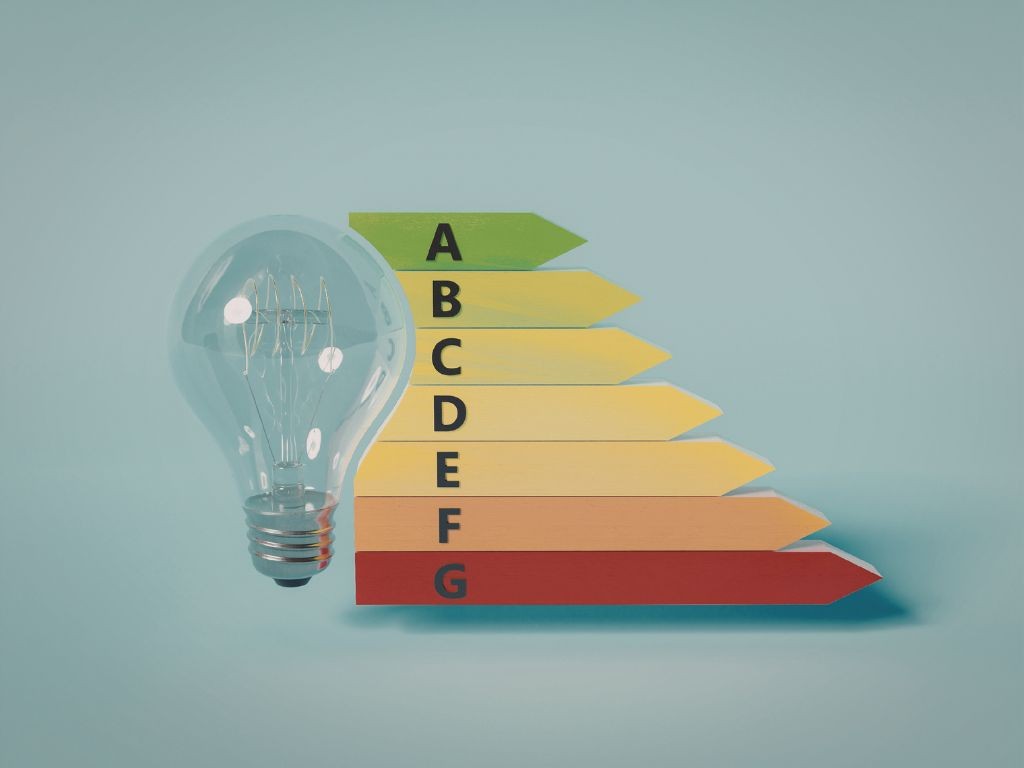
The energy performance certificate (EPC) is now a central element in renting out a property. With the gradual tightening of regulations, it is no longer just an informative requirement: the EPC now conditions the very possibility of renting out a home.
Here is what you absolutely must know to remain compliant and secure your rental investment.
Is an EPC mandatory for renting out a home?
Yes. The EPC is mandatory for any rental property, whether it is an unfurnished or furnished home.
It must be:
Carried out by a certified professional
Valid at the time the lease is signed
Handed over to the tenant
Mentioned in the real estate listing
The EPC informs the tenant about the home's energy consumption and its environmental impact.
What are the new bans in 2026?
Regulations are gradually changing to exclude the most energy-intensive homes from the rental market.
Timeline to remember
Since 2023: ban on renting out the most energy-intensive homes (excessive consumption)
2025: ban on homes rated G
2028: ban on homes rated F
2034: ban on homes rated E
👉 In 2026, a home rated G can no longer be rented out.
What are the obligations for landlords?
To rent out a property, the landlord must:
Provide a valid EPC to the tenant
Respect the minimum energy thresholds
Not offer a property that is banned from being rented
Mention the energy class in any listing
In the event of non-compliance, the landlord's liability may be incurred.
What are the risks of non-compliance?
A missing, incorrect, or non-compliant EPC can lead to:
The cancellation of the lease
A reduction in rent
Financial penalties
An inability to rent out the property
In addition, a tenant can take action against the landlord if the home is considered an "energy sieve".
EPC in furnished rentals: identical rules
Furnished rentals are subject to the same obligations as unfurnished rentals.
This means that:
The EPC is mandatory
Energy thresholds apply
The bans also apply to furnished properties
With the tightening of rules on Airbnb and tourist accommodation, energy compliance is becoming a major challenge for all landlords.
How to improve your property's EPC?
If your property has a poor rating, several levers exist:
Thermal insulation (walls, roof, windows)
Replacement of the heating system
Installation of more efficient equipment
Optimization of ventilation
These works make it possible to:
✔ Improve the energy class
✔ Increase the value of the property
✔ Secure the rental process
✔ Optimize long-term profitability
EPC and rental strategy: a key issue in 2026
The EPC now influences:
The possibility of renting
The level of rent
The attractiveness of the property
Property valuation
An energy-efficient property rents out faster and under better conditions.
Conversely, an energy-intensive property becomes difficult to operate.
Should we anticipate starting now?
Yes.
Even though some bans are gradual, it is highly recommended to anticipate:
Renovation works
Changes in regulations
The impact on profitability
A proactive strategy helps to avoid future blockages.
Need to assess your property's compliance?
Do you want to know if your apartment complies with the new EPC obligations or anticipate works?
Our team supports you in order to:
Analyze your property's energy performance
Identify priority works
Optimize your rental strategy
Secure your rental process
Contact us for a personalized study and ensure the compliance of your investment in 2026.