
Rental charges: definition, operation, and calculation method
5 minutes

When you rent accommodation, the rent is not the only amount to be paid each month. Rental charges are added to it, which are often a source of questions and sometimes disputes. What is meant by rental charges? What exactly do they correspond to, how are they calculated, and which tenant charges are actually recoverable by the landlord?
Understanding how rental charges work is essential to avoid unpleasant surprises and secure the rental relationship. Here is a clear and comprehensive guide to explain precisely what rental charges are, how they apply, and what rules govern their payment.
What are rental charges?
The rental charges, also called recoverable charges, correspond to expenses paid in advance by the owner but linked to the daily use of the accommodation by the tenant. They are therefore added to the main rent.
Expenses related to the use and maintenance of the accommodation
Concretely, a rental charge corresponds to the costs necessary for the proper functioning and routine maintenance of the accommodation and its equipment. These expenses are directly linked to the occupancy of the property.
In particular, they help finance:
the maintenance of common areas,
certain water or energy consumption,
collective services used by the tenant.
What do rental charges concretely correspond to?
To fully understand what rental charges are, it must be remembered that they do not cover all the owner's expenses. They only concern costs related to the tenant's use of the accommodation, unlike charges related to the structure or preservation of the building.
Rental charges are strictly regulated by law, in particular by the decree of August 26, 1987, which establishes the list of recoverable charges.
Which rental charges according to the type of accommodation?
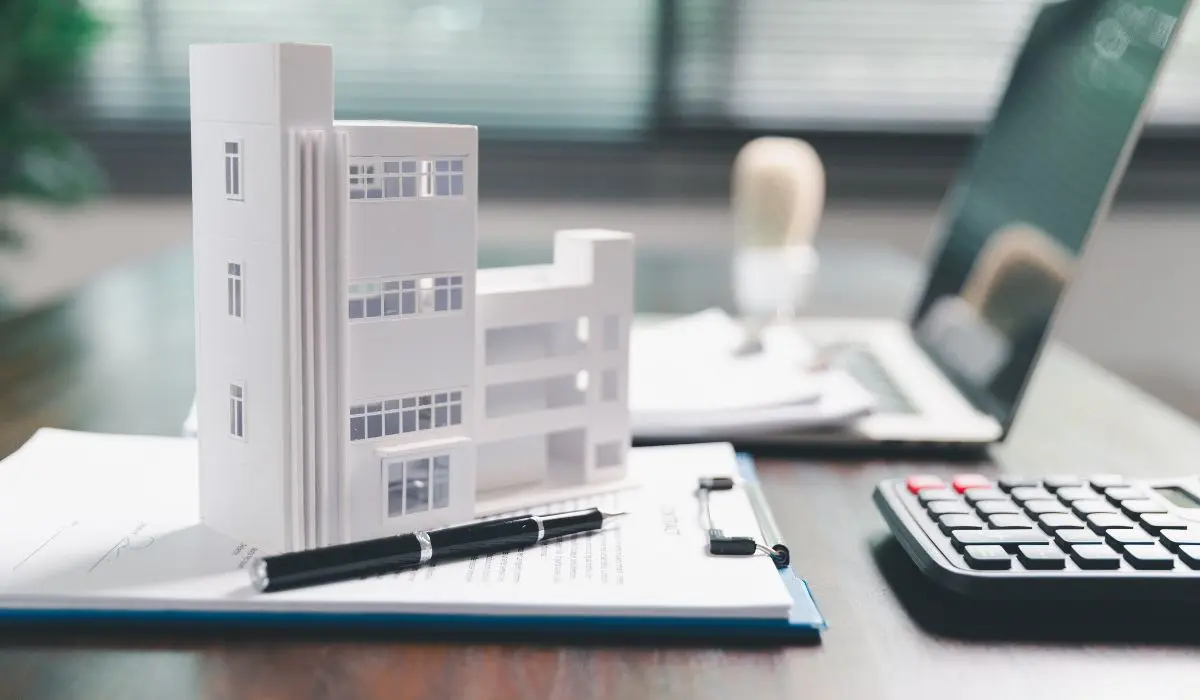
The composition of rental charges varies depending on whether the accommodation is located in a co-ownership, sole ownership, or if it is a single-family house.
Rental charges in co-ownership
In a co-ownership building, rental charges are generally more numerous. They include, for example:
maintenance and electricity for common areas,
the elevator,
cleaning of hallways and stairs,
maintenance of shared green spaces.
These charges attributable to the tenant are distributed according to co-ownership shares or based on actual consumption.
Rental charges in sole ownership
In sole ownership, when the owner owns the entire building, rental charges mainly concern:
maintenance of shared equipment,
collective services,
shared water or energy consumption.
The logic remains the same: only recoverable rental charges can be billed back to the tenant.
Rental charges for a single-family house
In a single-family house, rental charges are often more limited. They mainly concern:
routine maintenance of the boiler,
household waste collection tax,
certain water consumptions.
Other expenses remain the responsibility of the owner.
Which expenses can be recovered from the tenant?
Not all expenses can be integrated into rental charges. The distinction between recoverable charges and non-recoverable charges is essential.
Recoverable charges provided for by regulations
The law precisely defines recoverable rental charges, including:
cold and hot water,
collective heating,
electricity for common areas,
routine maintenance of equipment,
household waste collection tax.
These charges attributable to the tenant must be justified and calculated in a transparent manner.
Non-recoverable charges borne by the owner
Certain expenses can never be charged to the tenant, such as:
major work,
structural repairs,
management fees,
costs related to wear and tear.
These charges remain exclusively the responsibility of the landlord.
Payment of rental charges: rules to respect
The payment of rental charges is governed by strict rules designed to protect the tenant.
The obligation to mention charges in the lease
The tenancy agreement must specify:
The payment method for the charges
Their nature
Their calculation method
Without this mention, the recovery of rental charges can be contested.
The amount of rental charges
The amount of rental charges must be consistent with the expenses actually incurred. An excessive or insufficiently justified estimate can be contested by the tenant.
What are the payment methods for rental charges?
There are several methods for settling rental charges, depending on the type of rental and the landlord's choices.
Provision for charges
The provision for charges is the most common payment method. The tenant pays an estimated sum each month in addition to the rent.
How the provision for charges is calculated
The provision is calculated based on:
Actual expenses from the previous year
The provisional budget of the co-ownership
An adjustment is then made.
Fixed charges
Fixed charges correspond to a set amount, with no subsequent adjustment. It is mainly used for furnished rentals. However, this fixed charge must remain reasonable and consistent with actual expenses.
Direct payment of certain charges
In some cases, the tenant can pay certain rental charges directly, such as water or electricity, to the suppliers.
Adjustment of rental charges: how does it work?
The adjustment allows the sums paid by the tenant to be aligned with the actual expenses.
Annual adjustment of charges
Once a year, the owner must compare:
The rental charges actually paid
The provisions paid by the tenant
An overpayment is refunded, an additional payment may be requested.
Supporting documents the landlord must provide
The landlord must make available:
The invoices
The breakdown of charges
The accounting documents
This transparency is essential to justify the tenant's charges and secure the rental relationship
Delegate the management of your furnished rental
Do you want to maximize the profitability of your apartment quickly while securing your rental income?
Our proactive team supports you in the complete management of your furnished property, with a rigorous approach to enhancing your assets with a solid clientele that cares about your property.